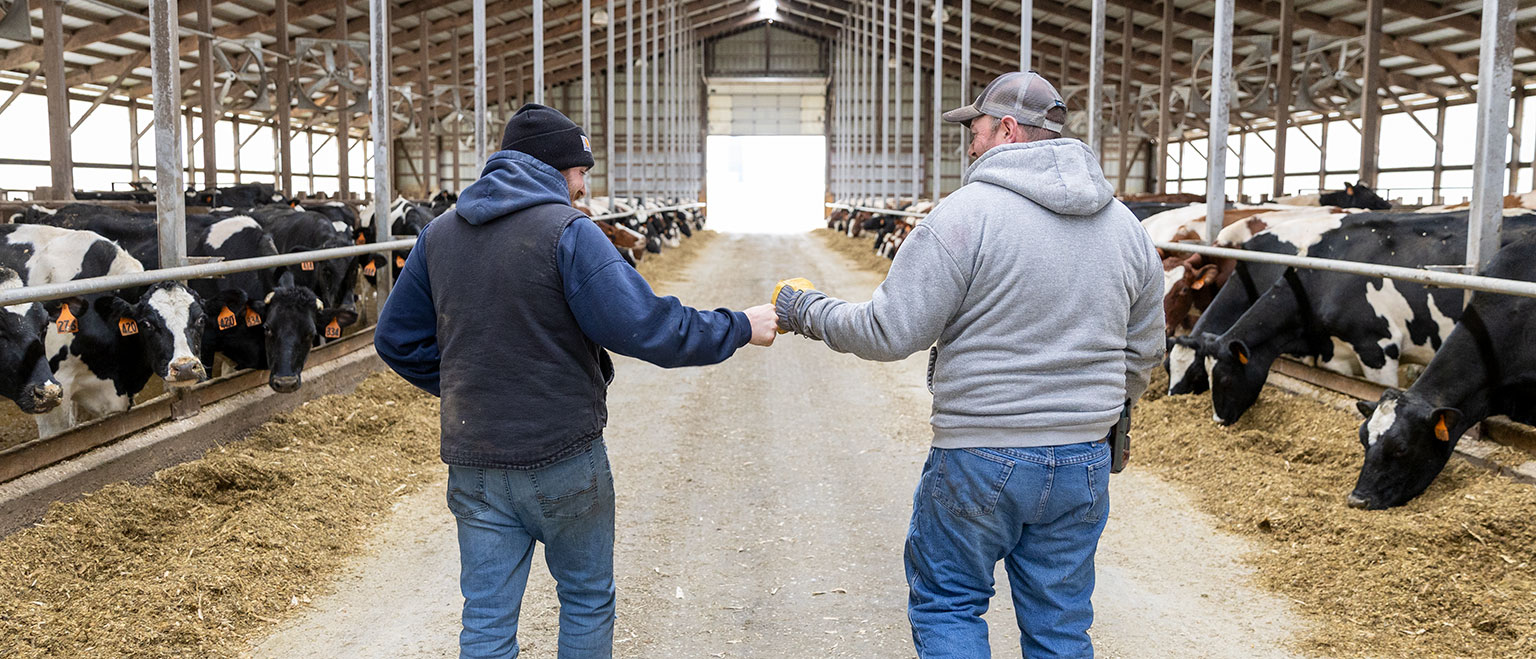
HOW DAIRY FARMING FUELS THE U.S. ECONOMY AND FEEDS COMMUNITIES EVERYWHERE
Dairy farmers are at the heart of the U.S. economy — supporting millions of jobs, keeping grocery shelves stocked, powering job creation, and ensuring food security, all while helping communities thrive.
But what would happen if dairy farmers weren’t there? Imagine rising food prices, struggling rural communities, and a weakened economy, for starters. Without the dairy industry, the ripple effect would be felt everywhere, from local businesses to nationwide supply chains.
At Dairy Farmers of America (DFA), we’re a cooperative of thousands of family dairy farmers across the United States caring for their cows, their land, and their communities by producing high-quality milk, creating jobs, and contributing to stronger local and national economies.
Building strong bones and a stronger economy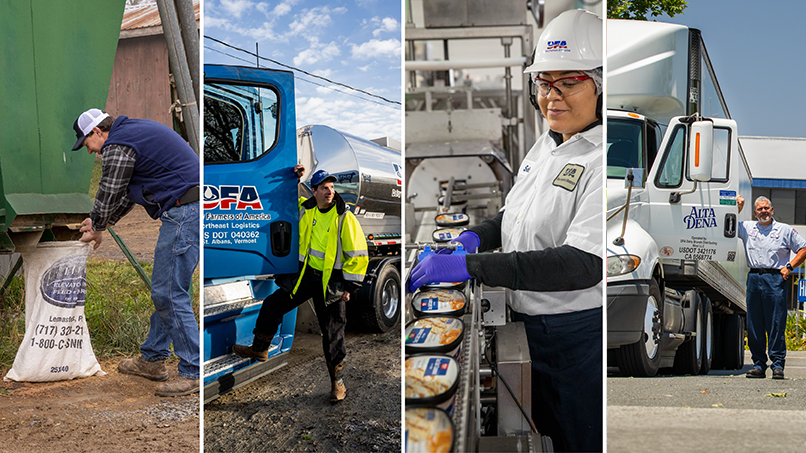
You might think dairy farming is a job that keeps the farmers and farmhands busy and that’s it. But the dairy sector is a $780 billion powerhouse that keeps millions of Americans working (and billions of people fed!).
This industry supports more than 3 million jobs across the supply chain, from dairy farm jobs to all those indirectly connected.
Jobs in the dairy industry you might not know about include:
- On the farm: Dairy farming is 24 hours a day, seven days a week, and dairy farmers need help from farm workers, veterinarians, nutritionists, equipment dealers, farm supply stores, and more, creating jobs across multiple industries. In fact, more than 40,000 people are employed by DFA farms with an average of seven employees on every farm, including both family and non-family members
- On the road: Drivers ensure milk and finished dairy products make it safely to their final destination — all around the country. At DFA, more than 3,449 drivers cover 127 million miles per year
- At the dairy manufacturing plant: Milk processing plants around the country are staffed with hardworking people who turn milk into nearly every type of dairy product you can think of! At DFA, more than 9,900 of our employees are manufacturing workers
- At a location near you: Thousands more jobs are indirectly connected to the dairy industry, from the dairy clerk unloading deliveries and stocking shelves, to the cashier ringing up the DFA farmer-owned products at your local grocery store or the barista crafting a latte at your favorite coffee shop
Every time you enjoy dairy, you’re supporting all the people who helped get it into your hands, or better yet, onto your table — whether you’re indulging in a trendy cheese board or adding high-quality dairy protein to your diet to help meet your health and fitness goals.
Dairy industry jobs are only growing as demand for dairy increases, driving growth in dairy farming, processing and distribution, and helping build a sustainable economy.
While dairy’s reach spans coast to coast, its heartbeat lives in the rural towns and small communities where farms operate every day.
How dairy farming benefits local communities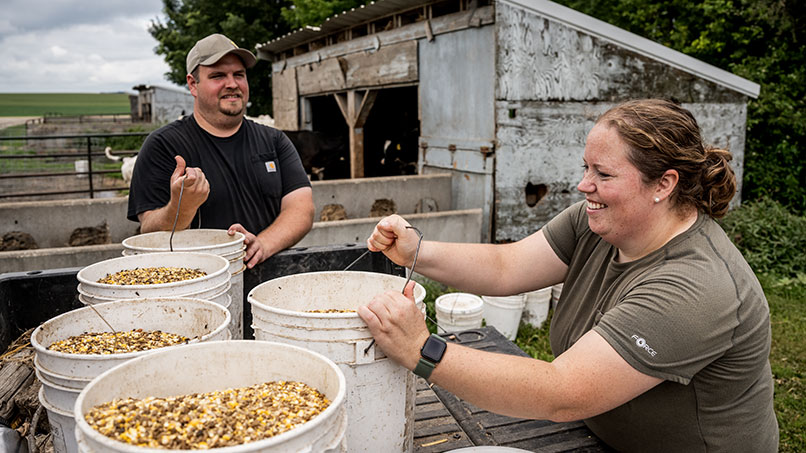
Dairy farmers feed the world and strengthen the U.S. economy, but they also take care of their local communities through their daily hard work, dedication, and established presence.
Dairy farming is deeply rooted in rural America, ensuring small towns stay economically strong, environmentally responsible, and resilient for generations to come. And because it’s a year-round industry, dairying provides stable jobs and economic growth and enables access to essential nutrition every day of the year.
It’s not all jobs on the farm either. Farmers head into town to purchase tools, parts, feed for their animals, and countless other things that keep their operations running. Swinging by a local parts store or feed supplier helps farmers get back to work quickly while contributing to their local economy.
Beyond just creating jobs, the dairy industry contributes more than $83 billion through state, local, and federal taxes annually — which means stronger, safer communities with programs that can increase quality of life.
Thanks to dairy farms, rural areas benefit from:
- Reliable jobs and thriving local businesses like feed suppliers, equipment companies, and repair shops that serve the dairy industry
- Stronger public services, as tax revenue from dairy farming helps fund schools, hospitals, roads, and more
- Keeping affordable, nutritious dairy products accessible to families of all income levels
- Support for schools and food banks, ensuring children and those in need receive high-quality nutrition from dairy
Dairy farmers aren’t just food producers, either. They’re part of their local communities. They raise their families there, support youth sports teams, sit on school boards, act as volunteer firefighters, volunteer their time at food banks, churches, and schools, and do so much more. While the nutritious food they produce is a major asset to their communities, the farmers themselves are worth celebrating, too.
How dairy farming provides accessible, essential nutrition
Milk production plays a critical role in food security, ensuring that nutrient-rich foods remain affordable and accessible to millions of Americans. With high-quality protein, calcium, vitamins, and essential minerals, dairy products deliver unmatched nutritional value at a very low cost per serving.
Dairy farming contributes to a consistent, reliable food supply, helping reduce food shortages and keeping nutritious dairy products on family tables. Feeding people is only part of the mission, though. Dairy farmers are also deeply invested in feeding the planet by protecting its future through sustainable practices.
Supporting the planet for a greener future thanks to dairy farms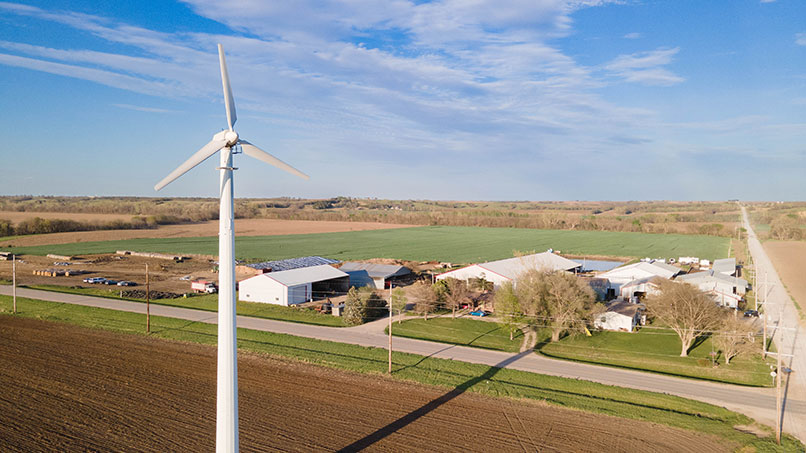
From farm to table, the dairy industry is proof that sustainable practices and economic success can go hand in hand.
A strong food system depends on healthy farms — and dairy farmers know sustainability plays a major role in protecting the future of both their communities and the U.S. economy.
Many dairy farmers are investing in practices that reduce waste, conserve resources, and help keep farms productive for future generations. From using solar or wind energy to recycling water on the farm up to four times on average, dairy farmers are finding innovative ways to reduce their environmental footprint. Some even turn leftover food from local businesses into nutritious feed for cows — keeping waste out of landfills and putting it to good use.
By investing in regenerative farming practices and staying on the cutting edge of technology and innovation, dairy farmers are not only securing the future of their family’s business so they can pass it on to the next generation but also helping to strengthen the long-term health of the environment.
Stronger communities one serving of dairy at a time
We bet you thought dairy was just good for your health. Now you know that by simply adding dairy products to your grocery list, you’re supporting one of the major players in the U.S. economy, bolstering local communities, strengthening agriculture, and helping create a secure food system.
After learning about all the positive impacts that the dairy industry has, can you imagine a world without it? We didn’t think so.
Find a DFA farmer-owned brand near you and enjoy the delicious taste of making the world a better and more sustainable place.