Are You Getting Enough Protein? Take This 3-Question Quiz
From granola and cereal bars boasting amped up grams to protein-infused cold foam topping your morning cup, protein is, well, everywhere these days.
But seeing more protein on the label doesn’t always mean you’re getting what your body actually needs. How much protein you get — and the type you choose — matters more than you might think.
With so many products competing for attention, it’s easy to wonder whether you’re truly meeting your needs or simply reaching for whatever label promises the biggest number. The goal isn’t just to load up on protein, but to choose protein that genuinely fuels your day.
Take this three-question quiz and learn how to power total-body wellness with one simple protein-packed food. Hint: It’s probably already in your kitchen!
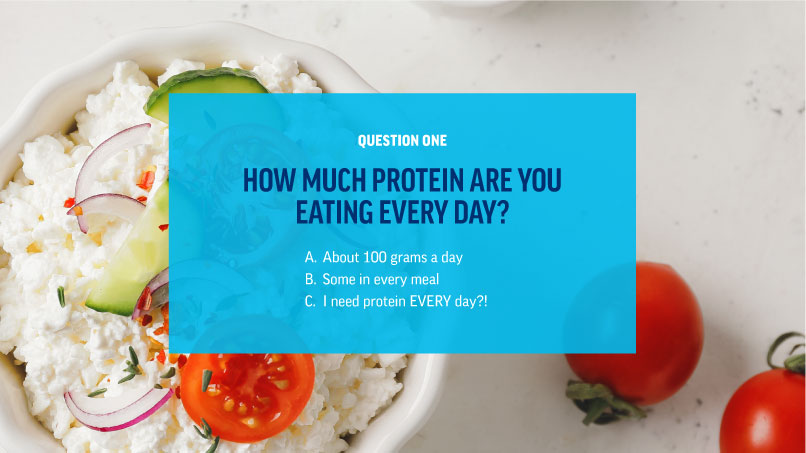
Question one: How much protein are you eating every day?
Answer: The truth is that protein needs can (and should!) change from person to person. Factors like sex, age, height, weight, and how active you are all play into how much protein you need. But as a general rule, the recommendation is 0.36 grams per pound of body weight at a minimum. So, if you weigh 150 pounds, you’d need a minimum of about 54 grams of protein every day. This helps maintain muscle mass and keep all your systems running at peak performance.
Most of us get enough protein, but your body will let you know if you’re falling short. Feeling hungry right after eating, noticing muscle loss, dealing with weak hair or brittle nails, getting sick often, slow-to-heal cuts and bruises, and even mood swings and brain fog can all be signs you might need a little more.
To get a more personalized estimate of how much protein you need, use this online protein calculator.
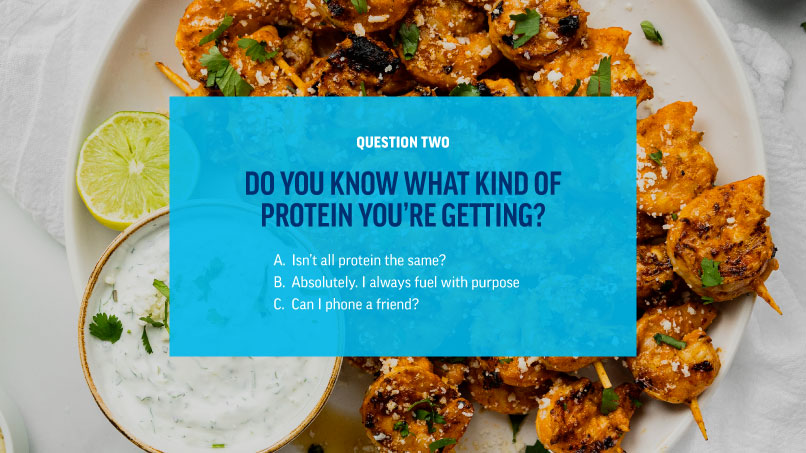
Question two: Do you know what kind of protein you’re getting?
Answer: Not all protein is created equal — not even close.
Some protein sources give your body everything it needs, and others only check a few boxes. When you choose a high-quality protein source like dairy, you’re getting all nine essential amino acids your body can’t make on its own. That’s what makes dairy protein a complete protein. It’s also highly bioavailable, meaning your body can digest, absorb, and actually use it more easily than many plant proteins.
The result? Strong muscles and bones, lasting energy, faster recovery, and immune support — all from the high-quality protein in dairy.
Even better, you don’t need to look for any special labels because dairy protein is already in everyday favorite foods like milk, cheese, yogurt, cottage cheese, and more! And if you enjoy high-protein options like high-protein milk and high-protein cottage cheese, that’s an added bonus.
So, no matter what protein-packed dairy product you love most, you’re getting a healthy serving of high-quality protein — all starting with fresh milk from family dairy farmers who care for their cows, their land, and their communities.
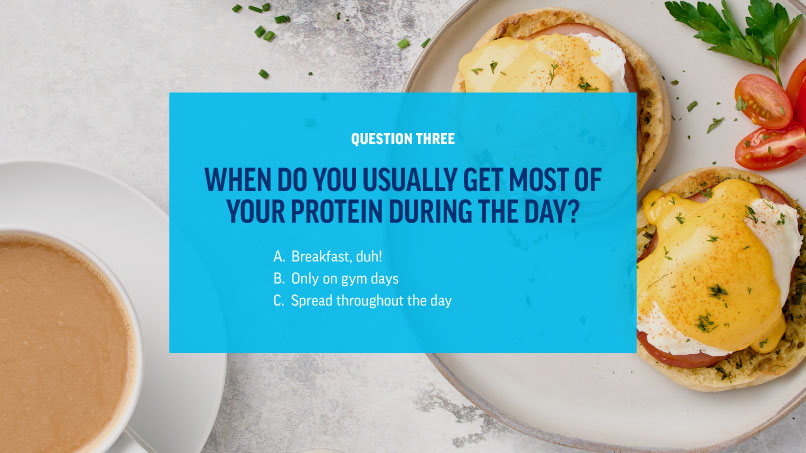
Question three: When do you usually get most of your protein during the day?
Answer: Protein works best when it’s included in meals and snacks throughout the day. This helps manage metabolism, blood sugar, steady energy, and supports muscles and bones.
This matters even more for people taking GLP-1 medications. When you’re eating less, every bite counts. Dairy delivers high-quality protein and essential nutrients in simple, satisfying options — perfect for GLP-1-friendly meals and snacks.
Protein matters across life stages, too. During pregnancy and breastfeeding, moms need extra protein to support their baby’s growth and maintain their own health. Spreading dairy throughout the day helps replenish those nutrients — supporting both mom and baby, before and after birth.
Your protein routine, made easy
Now put your quiz results to work. Aim for a steady dose of protein at each meal (think about 20+ grams) and a smaller boost from snacks to keep your energy and appetite on track. Pair your protein with fruits, vegetables, and whole grains for extra staying power.
Easy ways to get more protein with dairy:
- Enjoy a Greek yogurt bowl with fruit and nuts for breakfast
- Have a latte made with high‑protein milk mid‑morning
- Snack on yogurt or string cheese with berries in the afternoon
- Throw together a quick pasta with a creamy, cottage cheese sauce at dinner
With naturally high‑quality protein in foods you already enjoy — plus high‑protein options when you want an extra boost — it’s simple to meet your goals without counting every gram.
For athletes, fitness enthusiasts, and anyone looking to support overall health and wellness, get even more details about dairy protein.
-
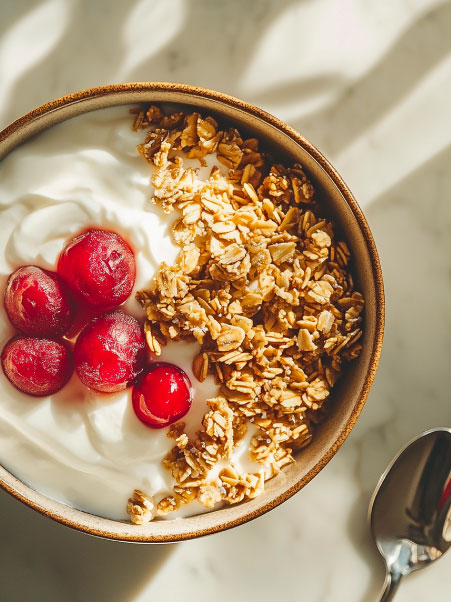
Start your morning strong by building a Greek yogurt bowl layered with granola, fresh fruit, and crunchy nuts. -
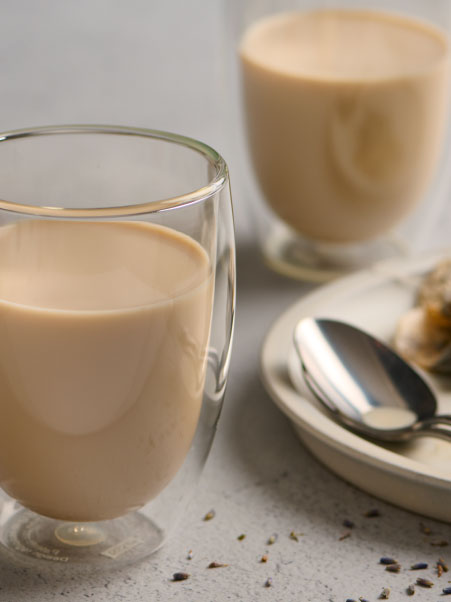
Power through a mid-morning slump with a creamy latte made with whole milk or even extra protein milk for an added protein boost. -
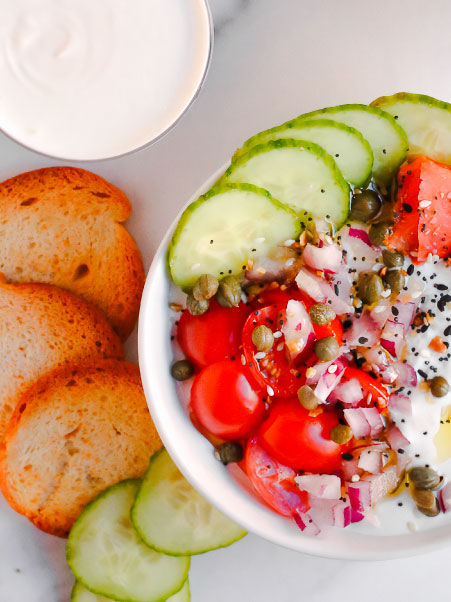
Refuel with a smart afternoon snack, like a cottage cheese bowl filled with veggies and spices. -
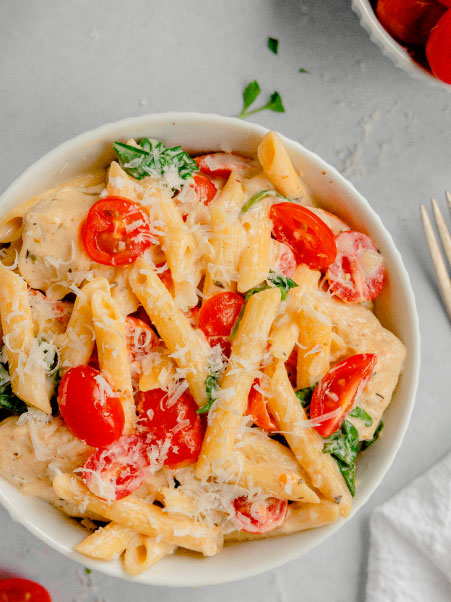
End your day with a quick pasta in a light cottage cheese sauce topped with fresh cherry tomatoes, basil, and Parmesan cheese.