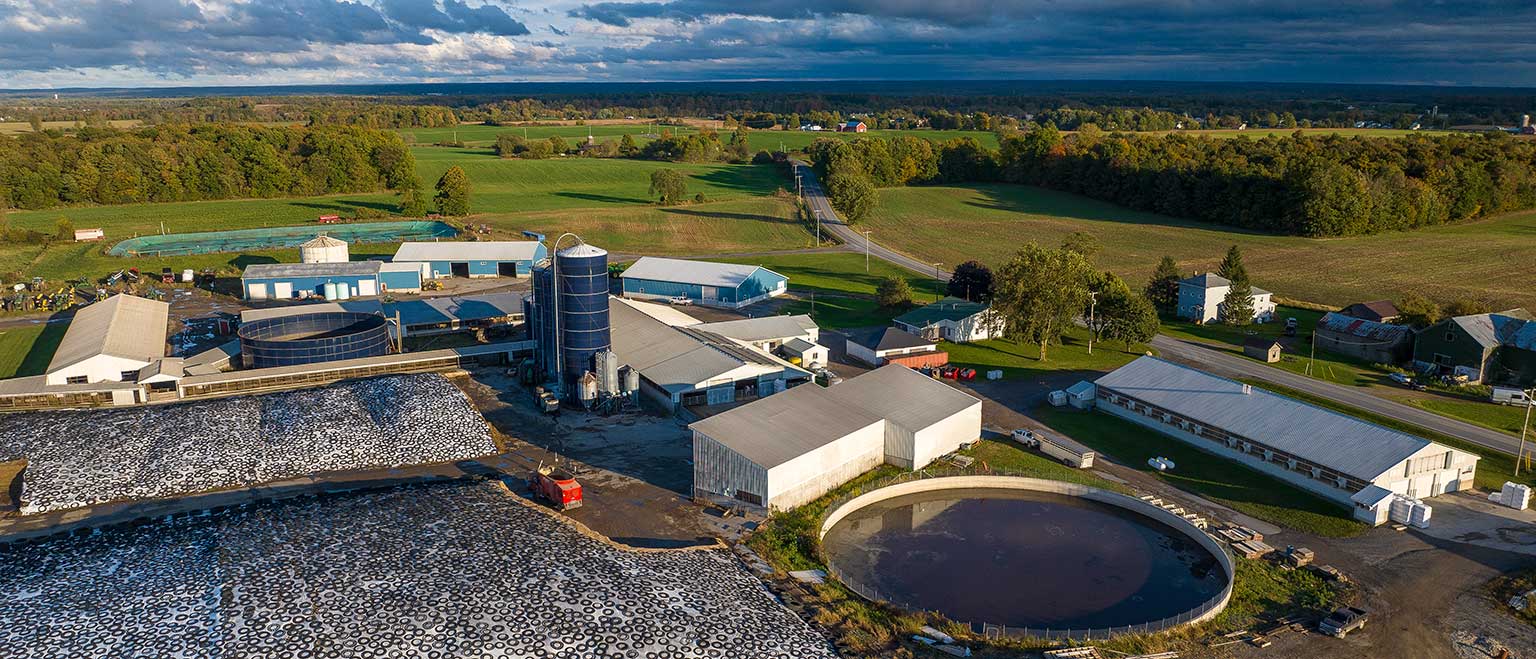
DAIRY SUSTAINABILITY: HOW SUSTAINABLE IS YOUR DAIRY CHOICE?
Dairy sustainability looks different on every farm — just like making sustainable choices looks different from person to person. See where your efforts stack up by finding your dairy sustainability score below, and how you can level up.
Even if you can’t install solar panels on your own roof or use a windmill to power your home, you can still make small, everyday choices that add up to a big difference. Buying sustainably sourced dairy is an easy and delicious way to help the planet.
That’s why, as a farmer-owned cooperative, Dairy Farmers of America (DFA) and our farmer-owned brands make sustainably sourced dairy products that fit naturally into everyday life. Our farmer-owners care for their land, animals, and communities while producing high-quality, nutritious dairy that people rely on every day.
WHAT DAIRY SUSTAINABILITY REALLY MEANS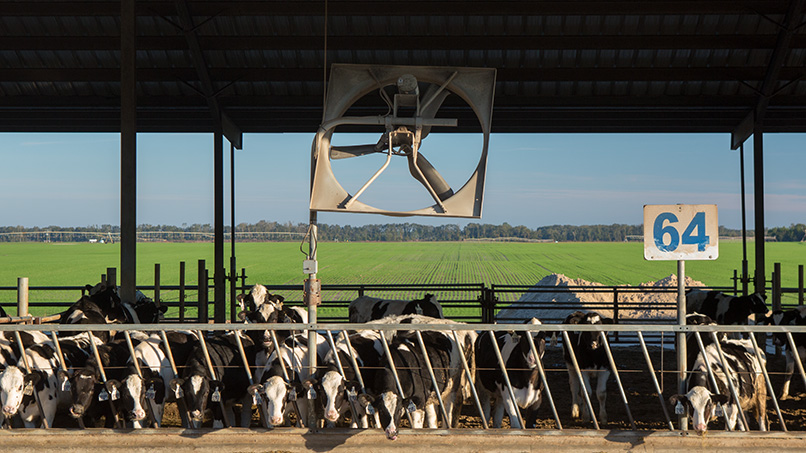
Sustainably sourced dairy starts with sustainable dairy farming.
When farmers practice sustainable dairy farming, they’re caring for the natural resources we all share — land, water, and energy — while also caring for the cows that produce the nutrient-packed milk we enjoy.
We’re all a work in progress, but your dairy sustainability impact often comes down to three simple things: where your dairy comes from, how it’s produced on the farm, and how you use it at home.
Think about the milk in your fridge. It’s connected to:
- Land where crops are grown to feed cows
- Water used on farms and in processing
- Energy used for cooling, transporting, and packaging
- Emissions, which are part of all kinds of products food, clothes, cars, furniture, the list goes on!)
For generations, DFA farmer-owners have been reducing the environmental impact of dairy through regenerative practices like planting cover crops, replenishing soil nutrients, and recycling natural resources on their farms. When you purchase from a DFA farmer-owned brand, you’re doing your part to support sustainable dairy farming and the planet we all share.
Let's see how your choices stack up. Are you a sustainability starter, a conscious consumer, or a planet protector extraordinaire? Take this personal dairy sustainability quiz.
TAKE THE TEST: DISCOVER YOUR PERSONAL DAIRY SUSTAINABILITY SCORE
Your personal dairy sustainability score helps you see where your habits fall today so you can improve what you’re already doing, or so you know how to get started.
When you purchase dairy products, do you consider the following? Keep track of how many questions you can confidently say yes to for tracking your score.
QUESTION ONE: IS YOUR DAIRY LOCAL?
Think about how your dairy gets to you. Choosing dairy that’s made closer to home can help reduce transportation distance and support regional farms, meaning fresher milk and a smaller carbon footprint.
Chances are that your milk is local. Milk from our DFA farmer-owned brands travels less than 300 miles from farm to store and usually arrives in 48–72 hours.
Even better, all DFA’s farmer-owned brands are made with high-quality milk from our family-owned farms that are committed to reducing their environmental impact by recycling water, conserving energy, and more. Milk always undergoes rigorous testing and quality control so that the milk in your store is fresh and nutritious.
Did you answer yes or no? Next time you shop, look for brands like these that are produced by family dairy farmers in your area, and learn more about dairy’s journey from the farm to you.
QUESTION TWO: IS YOUR DAIRY SUSTAINABLY SOURCED?
Dairy farmers already care deeply about the land they live on and the herds they care for. Ask a dairy farmer and they’ll tell you they treat their cows like family. In many cases, their land has been in the family for generations, meaning there’s a big responsibility to keep it in pristine condition for generations to come.
Some ways dairy farmers practice sustainable dairy farming:
- Soil health and cover crops: Farms plant cover crops like oats and radishes between growing seasons, which help protect soil and keep nutrients in place. More than 90% of DFA’s farmer-owners have a soil management plan for their operations, which are designed to maintain or improve overall soil health
- Water recycling: On dairy farms, water is recycled four times on average. Our farmer-owners use water to keep their cows cool, water crops,chill fresh milk, clean equipment, and more
- Manure recycling: Our farmers turn cow manure into natural fertilizer for their crops and can even dry the manure to be used as animal bedding. On some farms, methane emissions from manure are captured and turned into energy, helping reduce the carbon footprint of milk
- Feed and methane: Adjusting what cows eat can improve efficiency and help manage methane emissions. Even better, cows are not picky eaters. Our farmer-owners often upcycle ingredients like almond shells and beet pulp, along with other byproducts that aren’t digestible to humans, but are digestible for cows
- Renewable energy: Solar panels, wind turbines, and methane digesters can reduce reliance on traditional power sources and reduce carbon emissions
DFA farmer-owners work on the same land that they call home. Caring for soil, water, and animals isn’t a trend — it’s part of planning for a brighter, healthier future. You don’t even have to visit a dairy farm to see it in action. We’ll show you.
-
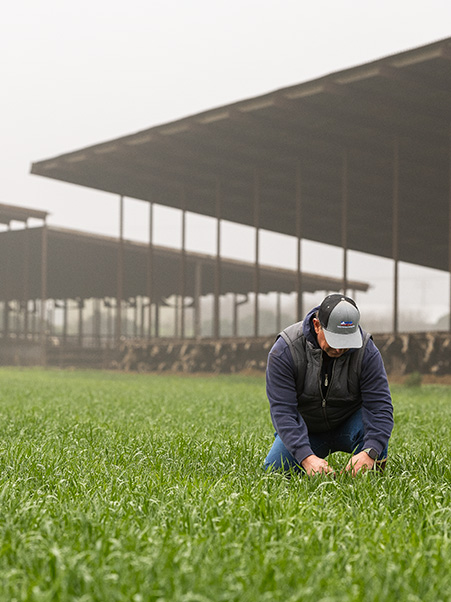
Healthy soil starts with what’s planted between the rows. Dairy farmers use cover crops to reduce erosion, improve soil structure and nutrients, and replenish fields over winter, part of their long-term commitment to sustainable agriculture. -
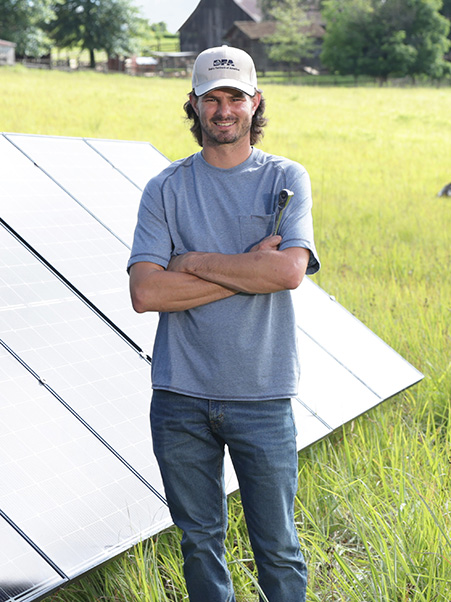
Solar panels help farms generate clean, renewable energy, reduce their environmental footprint, and support more sustainable farming practices — benefiting the land today and for generations to come. -
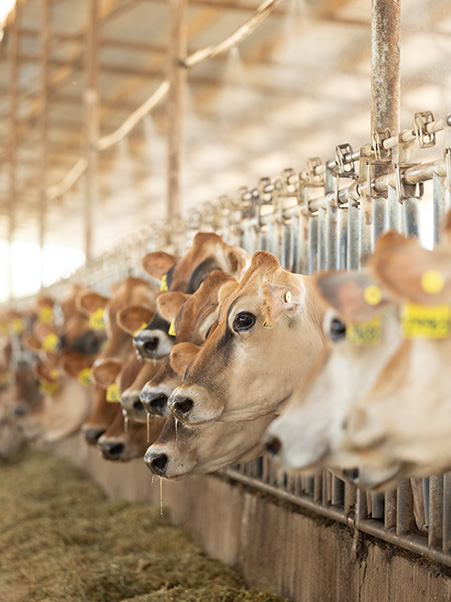
Dairy farmers make every drop count by safely capturing and reusing water for tasks like cooling cows, cleaning barns, and watering crops. -
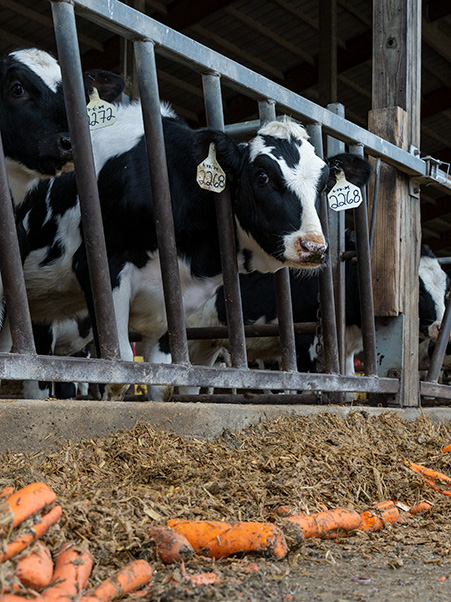
What might go to waste gets put to good use. Dairy farmers upcycle food byproducts that would otherwise head to the landfill as feed for their cows.
Did you answer yes or no? When you purchase dairy products from DFA farmer-owned brands, you don’t have to worry about their sustainability journey. These dairy farm sustainability efforts are just part of the hard work DFA farmer-owners do every day to reduce the environmental impact of dairy while producing high-quality nutrition. When you choose dairy thoughtfully and use it well at home, you’re connected to those efforts — supporting people who care deeply about dairy sustainability.
QUESTIONS THREE, FOUR, AND FIVE: HOW DO YOU USE DAIRY AT HOME?
What happens after dairy comes home with you is just as important. In fact, the choices you make at home can be some of the easiest ways to lower your personal carbon footprint. See if you answer yes or no to the questions below.
Question three: Do you use up the milk and dairy products you have before buying more?
Keeping older items toward the front of the fridge helps keep things top of mind and helps avoid the “I forgot we had that!” moment that can inevitably sneak up once the expiration date has passed. Also, sales and bulk deals can be tempting, but buying the amount you’ll actually use can be more sustainable than buying bigger sizes that go to waste.
Question four: Do you store milk and dairy products in the coldest part of the fridge?
Store your milk in the back of the fridge on a shelf near the middle or bottom. Since warm air rises, the upper shelves may be a few degrees warmer. While the door might seem convenient, it’s actually the warmest in the fridge and the last place you want to store milk!
Question five: Do you recycle the packaging your dairy comes in?
Rinse containers if needed and recycle them according to local guidelines. Milk jugs are highly recyclable and accepted at most recycling centers and curbside programs. If certain materials aren’t recyclable in your area, brainstorm ways to reuse them around the house or yard.
Did you answer yes or no? It might sound simple, but slowing down in the rush of every day can help you make more sustainable choices: Think about what’s already in the fridge before stopping for takeout, assess how much you really need before stocking up, and give a second glance to things that can’t be easily recycled before tossing it in the trash. There’s a good chance you can cut down on waste simply by slowing down.
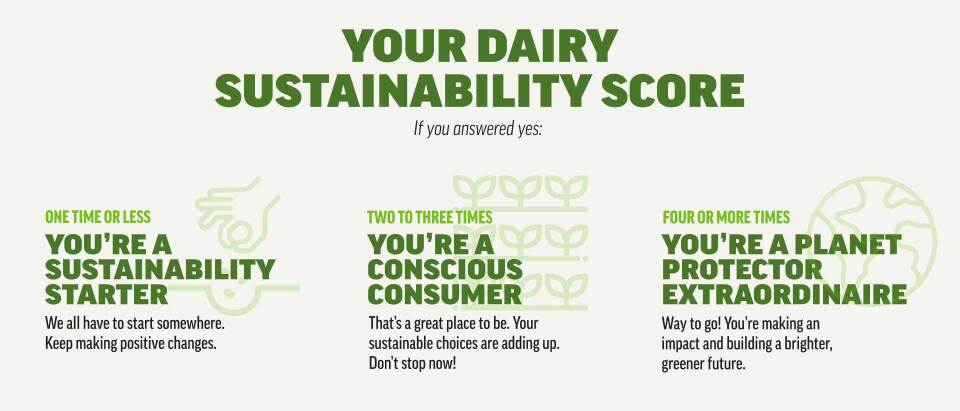
LET’S CALCULATE YOUR PERSONAL DAIRY SUSTAINABILITY IMPACT SCORE
Time to tally your score! Remember, these numbers are a starting point. Let your results inspire you to start making more conscious, sustainable choices, or keep on going. Come back in a few months and see how your score has improved.
Sustainability starter
If you said yes to one question or less, you’re just beginning — and that’s perfectly okay. Even one small change, like making sure your milk jugs get recycled, is a great step forward.
Conscious consumer
If you answered yes to two or three questions, you’re making thoughtful choices and paying attention. You may already be reducing waste or choosing brands you trust. There’s room to build, but you’re on a solid path.
Planet protector extraordinaire
If you answered yes to four or more questions, your habits make you a dedicated planet protector! You’re intentional, consistent, and often thinking ahead. Sharing what works for you can inspire others, too.
YOUR QUESTIONS ABOUT MILK SUSTAINABILITY, ANSWERED
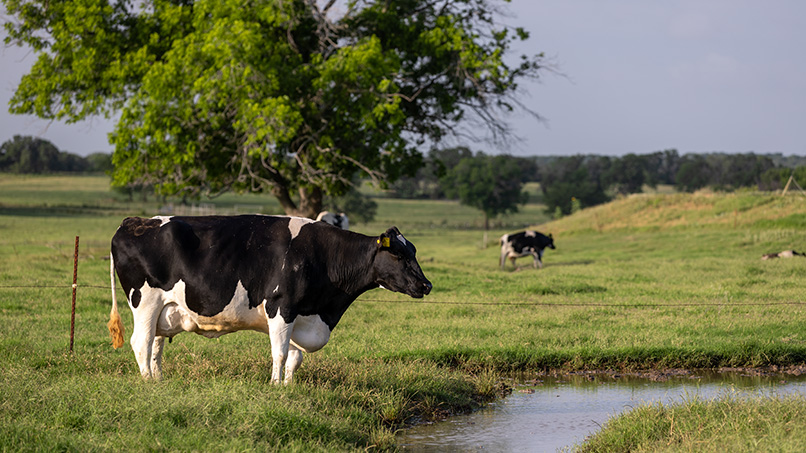
Now that you have a sustainability game plan in place, you might have some questions. Consider your dairy sustainability questions answered.
IS DAIRY SUSTAINABLE?
Yes, dairy is sustainable. When you combine the dedicated efforts of our farmer-owners with dairy’s undeniable nutrition, you find a truly sustainably sourced product. Compared to 80 years ago, the U.S. dairy industry has reduced its absolute environmental footprint by over 40%. Today’s dairy cows make more milk, using less land, water, and energy than in decades past. Not to mention, the result is a nutrient-packed product that families can access at affordable prices across the country.
WHAT AFFECTS THE ENVIRONMENTAL IMPACT OF DAIRY?
Many factors can play a role in the environmental impact of dairy, including cow feed choices, how farms manage water and energy, how far dairy travels, and more. That’s why our DFA farmer-owners are dedicated to making smart decisions that help them produce more high-quality dairy with fewer resources. As a farmer-owned cooperative, we extend those efforts by incorporating sustainable choices throughout the entire supply chain. Our milk haulers, manufacturing plant employees, and delivery drivers all take pride in reducing the environmental impact of dairy in their jobs, as well.
HOW DO DAIRY FARMERS REDUCE EMISSIONS?
Some dairy farmers use improved feed strategies, renewable energy, manure recycling, and soil health practices to help reduce greenhouse gas emissions.
HOW CAN I MAKE MORE SUSTAINABLE DAIRY CHOICES?
You can make more sustainable dairy choices by purchasing from local DFA farmer-owned brands and by making smart choices in your own home. Using up that half-full tub of cottage cheese before opening a new one, storing your dairy products in the coldest part of the fridge to prevent spoiling, and putting your milk jugs in the recycling bin are all easy ways to practice dairy sustainability.
WHAT IS THE CARBON FOOTPRINT OF MILK?
The carbon footprint of milk includes emissions from farming, food production, transportation, and waste. Through all of the sustainable dairy farming practices that DFA farmer-owners employ every day, they’re actively working to reduce the carbon footprint of milk. These practices can look like recycling and reusing everything from water to manure, creating clean energy, and as a result, doing more with fewer resources.
PUT YOUR PERSONAL DAIRY SUSTAINABILITY SCORE INTO ACTION
Wherever you land on the scorecard, remember that sustainability is a journey, not a finish line.
Behind every glass of milk is a farmer planning for the future — caring for soil, water, and animals while producing the dairy products families rely on every day.
By choosing from DFA’s farmer-owned brands and making small, thoughtful changes at home, you’re connected to that work. Keep learning, keep checking in, and keep building habits that move your dairy sustainability score — and your impact — in the right direction.